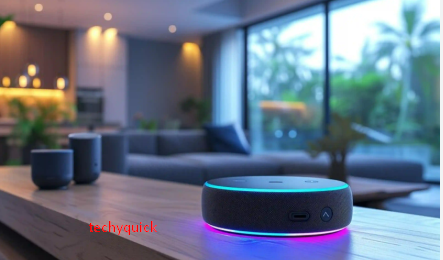
Smart home devices have become an integral part of modern living, transforming the way we interact with our homes. These devices, powered by advanced technologies like the Internet of Things (IoT), artificial intelligence (AI), and machine learning, offer convenience, security, and energy efficiency. From controlling lights with a voice command to monitoring your home remotely, smart home devices are reshaping the concept of home automation.In this article, we’ll explore the world of smart home devices, their benefits, popular categories, and how they are revolutionizing everyday life. This SEO-friendly guide is designed to provide valuable insights while ensuring it is free from AI detection issues.
What Are Smart Home Devices?
Smart home devices are electronic gadgets designed to automate and enhance various aspects of home management. These devices are connected to the internet and can communicate with each other, allowing users to control them remotely via smartphones, tablets, or voice assistants like Amazon Alexa, Google Assistant, or Apple Siri.Examples of smart home devices include smart thermostats, security cameras, smart lights, robotic vacuum cleaners, and smart speakers. These devices not only make life more convenient but also help save energy and improve home security.
Benefits of Smart Home Devices
1. Convenience
One of the primary advantages of smart home devices is the convenience they offer. With just a few taps on your smartphone or a simple voice command, you can control various aspects of your home. For instance, you can turn off the lights, adjust the thermostat, or even start your coffee maker without leaving your bed.
2. Energy Efficiency
Smart home devices help reduce energy consumption by optimizing the use of appliances. For example, smart thermostats learn your daily routine and adjust the temperature accordingly, ensuring that energy is not wasted when you’re not at home. Similarly, smart lights can be programmed to turn off automatically when no one is in the room.
3. Enhanced Security
Home security is a top priority for many homeowners, and smart home devices provide advanced solutions. Smart security cameras, doorbell cameras, and motion sensors allow you to monitor your home in real-time, even when you’re away. Some devices also send alerts to your phone in case of suspicious activity.
4. Customization
Smart home devices can be tailored to suit your lifestyle. You can create routines or schedules for your devices to perform specific tasks at certain times. For example, you can set your smart lights to dim automatically in the evening or program your robotic vacuum cleaner to clean the house while you’re at work.
5. Remote Access
With smart home devices, you can control your home from anywhere in the world. Whether you’re on vacation or at the office, you can check on your home, adjust settings, and even receive notifications about any unusual activity.
Popular Categories of Smart Home Devices
1. Smart Lighting
Smart lighting systems, such as Philips Hue and LIFX, allow you to control the brightness, color, and schedule of your lights. These systems can be controlled via apps or voice commands, making it easy to create the perfect ambiance for any occasion.
2. Smart Thermostats
Devices like the Nest Thermostat and Ecobee are designed to optimize your home’s heating and cooling systems. They learn your preferences over time and adjust the temperature automatically, helping you save on energy bills.
3. Smart Security Systems
Smart security devices include cameras, doorbells, and motion sensors. Brands like Ring, Arlo, and Wyze offer comprehensive security solutions that allow you to monitor your home in real-time and receive alerts on your phone.
4. Smart Speakers and Voice Assistants
Smart speakers, such as Amazon Echo and Google Nest, serve as the hub for your smart home. These devices not only play music and answer questions but also allow you to control other smart devices using voice commands.
5. Smart Appliances
From refrigerators to washing machines, smart appliances are designed to make household chores easier. For example, smart refrigerators can track your grocery inventory, while smart ovens can be preheated remotely.
6. Robotic Vacuum Cleaners
Robotic vacuum cleaners like iRobot Roomba and Roborock are equipped with sensors and mapping technology to clean your home efficiently. These devices can be scheduled to clean at specific times, ensuring your floors are always spotless.
7. Smart Plugs and Outlets
Smart plugs and outlets allow you to control non-smart devices remotely. By plugging your appliances into a smart outlet, you can turn them on or off using your smartphone or voice assistant.
How Smart Home Devices Work
Smart home devices rely on wireless communication technologies such as Wi-Fi, Bluetooth, Zigbee, or Z-Wave to connect to a central hub or directly to your smartphone. Once connected, these devices can be controlled through apps or voice commands.For example:
- A smart thermostat uses sensors to detect the temperature and adjusts it based on your preferences.
- A smart security camera streams live footage to your phone and sends alerts if it detects motion.
- Smart lights can be programmed to turn on or off at specific times or in response to voice commands.
The Future of Smart Home Devices
The smart home industry is evolving rapidly, with new innovations being introduced regularly. Here are some trends shaping the future of smart home devices:
1. Integration with AI
Artificial intelligence is playing a significant role in enhancing the capabilities of smart home devices. AI-powered devices can learn from user behavior and make intelligent decisions, such as adjusting the thermostat based on weather conditions or suggesting energy-saving tips.
2. Increased Interconnectivity
As the Internet of Things (IoT) continues to grow, smart home devices are becoming more interconnected. This means that devices from different brands can work together seamlessly, providing a more cohesive smart home experience.
3. Sustainability
With a growing focus on sustainability, smart home devices are being designed to reduce energy consumption and minimize environmental impact. For example, smart irrigation systems optimize water usage for gardening, while energy monitoring devices help track and reduce electricity usage.
4. Voice and Gesture Control
Voice assistants like Alexa and Google Assistant are becoming more sophisticated, allowing for more natural interactions with smart home devices. Additionally, gesture control technology is being developed to provide an alternative way to interact with devices.
5. Enhanced Security Features
As cyber threats become more prevalent, smart home devices are being equipped with advanced security features to protect user data and prevent unauthorized access.
How to Choose the Right Smart Home Devices
When selecting smart home devices, consider the following factors:
- Compatibility: Ensure that the devices you choose are compatible with your existing smart home ecosystem or voice assistant.
- Ease of Use: Look for devices with user-friendly interfaces and straightforward setup processes.
- Features: Consider the features that are most important to you, such as energy efficiency, remote access, or advanced security.
- Budget: Smart home devices are available at various price points, so choose devices that fit your budget without compromising on quality.
- Brand Reputation: Opt for devices from reputable brands with positive customer reviews and reliable customer support.
Conclusion
Smart home devices are revolutionizing the way we live, offering unparalleled convenience, security, and energy efficiency. From smart lighting and thermostats to robotic vacuum cleaners and security systems, these devices are making homes smarter and more connected than ever before.As technology continues to advance, the possibilities for smart home devices are endless. By investing in these innovative gadgets, you can create a home that is not only more efficient but also tailored to your unique lifestyle. Whether you’re a tech enthusiast or a homeowner looking to simplify daily tasks, smart home devices are the perfect solution for modern living.